How to Choose the Right Edit for Your Manuscript
By Suzanne D. Burns
"I need an editor." Almost every writer says it at some point. But "editing" covers four very different jobs, at very different prices. Paying for the wrong one is one of the most common ways writers waste money.
Here's what each type of edit does, when you need it, and how to tell which one fits your manuscript right now.
The four kinds of editing
1. Developmental editing: the big picture
A developmental editor looks at the whole book: structure, story, argument, pacing. In fiction, that means plot, characters, stakes and whether the ending pays off. In nonfiction, it means whether the book delivers on its promise, whether the chapters build, and whether anything is missing or repeated.
You'll usually get a detailed letter and notes in the margins, not a line-by-line rewrite.
You need this if: your draft feels "off" but you can't say why, readers lose interest partway through, or you're not sure the structure works.
2. Line editing: the sentences
A line editor works paragraph by paragraph, sentence by sentence, on how your writing reads: clarity, rhythm, word choice, flow, voice. They'll cut filler, tighten loose sentences and flag the phrases readers have seen a hundred times.
You need this if: your structure is solid, but the writing feels clunky, wordy or flat.
3. Copyediting: correctness and consistency
A copyeditor fixes grammar, punctuation, spelling and usage, and keeps things consistent: names, timelines, capitalization, how you style Scripture references.
You need this if: the book reads well, and now it needs to be correct.
4. Proofreading: the final check
A proofreader catches the last typos and formatting errors, ideally in the formatted book, right before you publish.
You need this if: everything else is done, and you're about to hit publish.
Typical costs
Most editors charge by the word. Typical 2026 rates, from EditorWorld's survey of book editing prices:
| Edit | Typical rate per word |
|---|---|
| Developmental | 6 to 15 cents |
| Line | 4 to 8 cents |
| Copyedit | 2 to 5 cents |
| Proofread | 1.3 to 2.5 cents |
A 60,000-word manuscript, then, could run anywhere from under $1,000 for a proofread to several thousand for a developmental edit.
The right order
Big picture first, small details last. There's no point polishing sentences in a chapter you may cut. So:
- Developmental
- Line
- Copyedit
- Proofread
Do you need all four?
Usually not. Here's how to decide:
- First book, and you're not sure it works? Start with a developmental edit or a manuscript critique. It may save you from paying for line edits on chapters that will change.
- You've had good feedback from readers, and the book holds together? A line edit will likely do the most for your book.
- You're an experienced writer with a clean draft? A copyedit and proofread may be all you need.
- On a tight budget? Get honest beta readers for the big picture, use a good self-editing checklist for the sentences, and spend your money on one professional pass.
How to choose an editor
- Ask for a sample edit. A few pages edited tells you more than any website. Do their changes sound like you, only better? Or like them?
- Look for genre experience. A Christian nonfiction editor knows how to handle Scripture, theology and testimony. A clean romance editor knows the beats readers expect.
- Get the scope in writing: what kind of edit, how many rounds, the deadline and the price.
- Make sure your voice stays yours. A good editor makes you sound more like yourself, not less.
Try it free
I edit clean fiction and Christian nonfiction. My services include developmental notes (Story Notes) and a full line edit (the Clean Prose Line Edit), with prices published up front.
Not sure which one you need? Send me the first 1,000 words of your manuscript. I'll edit them for free and send them back, so you can see the difference on your own pages before you decide anything. I'd love to read them.
And if you'd like to revise on your own first, my Self-Edit Toolkit gives you the big-picture, scene and line checklists an editor uses, in order. You'll find it on the resources page.
Happy writing,
Suzanne
Get The Sowers' Dispatch
One short, practical letter every Tuesday for clean and Christian authors, pastors and ministry leaders: the week's post, one thing to try and the publishing news worth knowing. Unsubscribe any time.
Send me The Sowers' Dispatch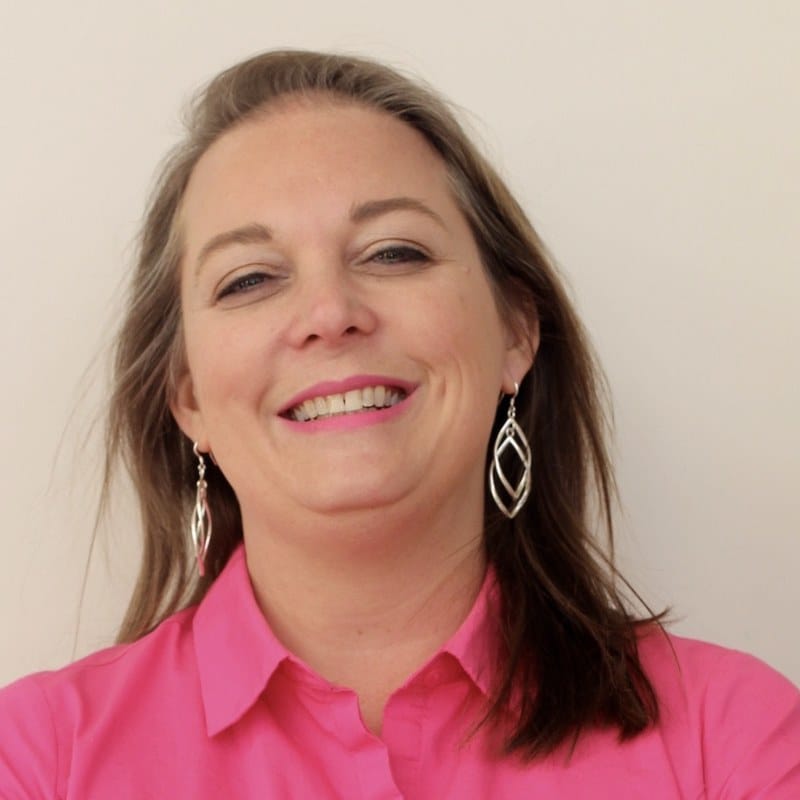
Suzanne D. Burns
Developmental editor and book coach to more than 200 business leaders, author of more than 87 books, and more than 20 years in ministry. I help pastors and clean authors get their books finished and published well.
Get The Sowers' DispatchGet a free sample editFree resourcesTake the free book quizPastors: is your message a book?Real people. Experienced hands. Your book.© 2026 Hundredfold Books. Resources · Author Services · Voice to Volume · About · Contact · Terms · Privacy