How to Write Your Testimony (Free Worksheet)
By Suzanne D. Burns
Somebody asked you to share your testimony. Maybe it's for your baptism, a women's retreat, a small group, or a Sunday morning with a microphone. And now you're staring at a blank page thinking, Where do I even start?
You're not alone. Most believers have never written their story down. We tell it in pieces over coffee, but putting it in order, in a few minutes, in front of people, feels like a different thing entirely.
It's easier than it feels. Your testimony doesn't need to be dramatic. It needs to be true, clear and about Jesus.
For more than twelve years I've led Foundation House, a maternity home where women come in the hardest season of their lives. I've listened to a lot of testimonies, many of them told for the first time, and I've helped a lot of people find the words. Here's what works.
What a testimony is (and isn't)
A testimony is your account of what God has done in your life. That's it. It's not a sermon. It's not your full life story. And it's not a list of everything you ever did wrong.
The best testimonies have one thing in common: Jesus is the hero. Not you, not your past, not your comeback. If people walk away remembering what God did more than what you did, you told it well.
The simple shape: before, turning point, after
Almost every testimony fits this three-part shape:
1. Before. What was your life like before you knew Christ, or before this particular work God did? What were you looking to for meaning, safety or worth? Keep this honest, but brief. One or two specific details say more than a long list.
2. The turning point. How did you come to faith, or how did God meet you? Who was there? What did you understand that you hadn't before? This is the heart of your story, so slow down here.
3. After. What's different now? Not perfect, different. What do you think, want or do that you didn't before? Where are you still growing?
If you grew up in church and came to faith as a child, your story still has this shape. Your "before" might be a season of drifting, doubt or going through the motions. Your turning point might be the moment faith became your own. A quiet testimony of faithfulness is still a testimony. Plenty of people in the room need to hear that God keeps people, too.
Seven tips that make the difference
- Pick one story. If God has done many things in your life (and He has), choose the one that fits the occasion. You can tell the others another day.
- Be specific. "I was lost" is true but forgettable. "I was twenty-three, living in my car, and I hadn't called my mother in two years" is a story. Concrete details make people lean in.
- Don't glorify the past. Say enough that people understand where you were. Skip the graphic details. The point isn't how far down you went, it's how far God reached.
- Skip the church words. "Washed in the blood," "saved," "under conviction." These mean something to you, but a guest might not follow. Say what happened in plain words.
- Protect other people. If your story involves someone else's choices, tell your part, not theirs. Change or leave out names, and ask permission when you can.
- Keep it short. A three-minute testimony is about 400 to 450 words. Five minutes is about 700. Write it out, read it aloud with a timer, and cut.
- End with hope. Finish with what God is doing now, or a sentence of invitation. Leave the door open for the person listening who needs the same thing you found.
Testimonies for different settings
- For baptism: keep it to one or two minutes. Focus on the turning point and why you're being baptized now.
- For church or a retreat: three to five minutes is usually right. Ask whoever invited you how long you have, and honor it.
- For a small group: you can be more personal and take a little longer. Leave room for questions.
- For a recovery ministry: if your group has its own format, use theirs. The before, turning point and after shape still sits underneath it.
- In writing: for a church newsletter, website or book, add a little more scene: the place, the moment, what was said.
Don't skip the practice
Read it aloud at least three times before you share it. Once to catch the clunky sentences, once with a timer, and once for someone you trust. You don't have to memorize it. It's fine to read from your page. People care far more that it's true than that it's polished.
Get the free worksheet
I've put all of this into a free Write Your Testimony worksheet: the three-part outline with prompts for each section, a three-minute template you can fill in, a quick checklist, and a practice plan. Print it, pray, fill it in, and you'll have your testimony written in an afternoon.
And if your story is bigger than three minutes, if people keep telling you, "You should write a book," that's worth listening to. Some testimonies are meant to be books. My Write Your Story guide walks you through shaping it into a book or a family keepsake, scene by scene, and it's on the resources page. If you'd rather tell it aloud and have it shaped with you, here's how I help with that.
Your story matters. If you'd like to share it with me, or you get stuck along the way, write to me. I read every message myself.
Cheering you on,
Suzanne
Get The Sowers' Dispatch
One short, practical letter every Tuesday for clean and Christian authors, pastors and ministry leaders: the week's post, one thing to try and the publishing news worth knowing. Unsubscribe any time.
Send me The Sowers' Dispatch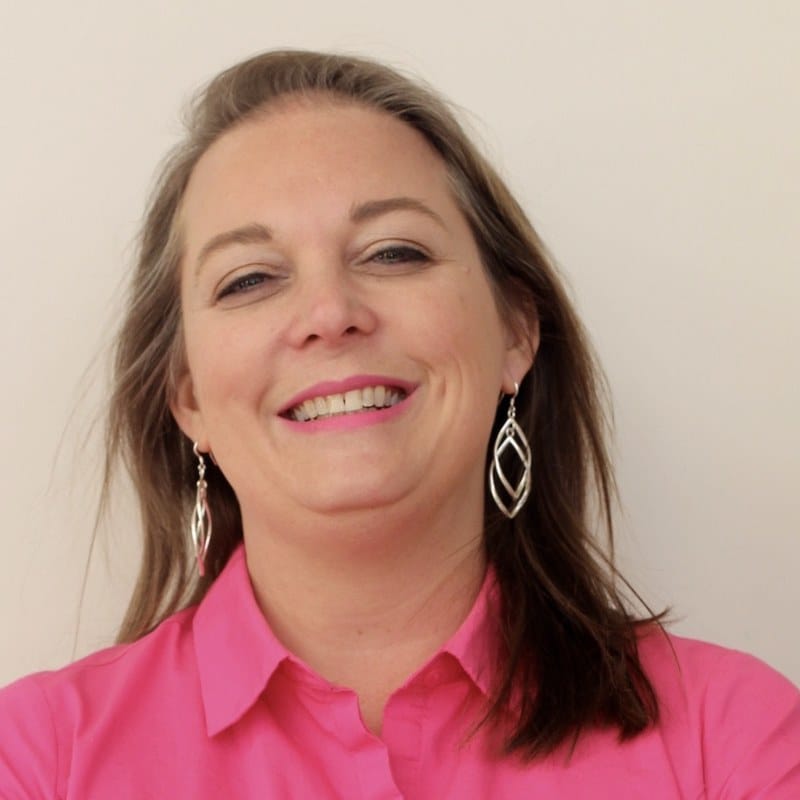
Suzanne D. Burns
Developmental editor and book coach to more than 200 business leaders, author of more than 87 books, and more than 20 years in ministry. I help pastors and clean authors get their books finished and published well.
Get The Sowers' DispatchGet a free sample editFree resourcesTake the free book quizPastors: is your message a book?Real people. Experienced hands. Your book.© 2026 Hundredfold Books. Resources · Author Services · Voice to Volume · About · Contact · Terms · Privacy