Should You Write Under a Pen Name? Five Honest Reasons, and When Not To
By Suzanne D. Burns
Should you use a pen name? For most first-time authors writing one kind of book, the honest answer is no: your own name is simpler, cheaper to market and easier for the people who already know you to find. A pen name earns its keep when you write for very different readers, need real privacy, or want a fresh start. If one of those is you, it can be a gift.
I write under several pen names myself, two of them public: Moira MacBride for Scottish historical romance and Honoria Vale for sweet Regency romance. Others I keep to myself. Across more than 87 books I've learned that a pen name can open a door, or quietly double your workload. Here's how to know which one you're signing up for.
Five honest reasons to use a pen name
1. You write for readers who shouldn't be confused. If you write a devotional for women in ministry and a cozy mystery with a cat who solves crimes, those readers may love you for very different reasons. A separate name keeps each shelf clean, so a reader who buys one kind of book from you isn't surprised by the next.
2. You need privacy. Some authors have a day job, a ministry role or a family situation that makes a public name unwise. That's a real reason, and you don't owe anyone an explanation for it.
3. You want a fresh start. Maybe your earlier books were in a genre you've left behind, or they were written before you knew what you know now. A new name lets new readers meet the writer you are today.
4. Your real name is hard to find. If your name is hard to spell, hard to remember, or shared with another author (or a celebrity), readers searching for you may land somewhere else. A clear, findable name helps.
5. You're writing with someone else. Co-authors sometimes choose one shared name for the cover, so the books feel like one voice.
Three times to think twice
You write one genre only. If all your books are for the same readers, a pen name adds work without adding much. Build one name and let it grow.
Your books grow from your own ministry or teaching. If you speak, preach, teach or lead, your name is how people already know you. A pastor's book on prayer belongs under the pastor's name. The people who heard the message want to find the book, and a pen name hides it from them.
You don't have time for a second reader list. Every pen name needs its own readers, and readers come one at a time. If you can barely keep one author life going, two will stretch you thin. That's not failure. It's wisdom about your season.
What's the difference between an open and a closed pen name?
This is the question that surprises people most. A pen name doesn't have to be a secret.
An open pen name is one you're public about. Anyone can know it's you. You might write "Suzanne D. Burns writing as..." on your website, mention it on your author page, and share your books across your reader lists. It's lighter work, because you're living one author life with several names.
A closed pen name is kept private. Only the people you choose know it's you. That means separate accounts, a separate website, a separate email list, and very little cross-promotion, so nothing connects the names. It's heavier work, and it's worth it only when privacy truly matters or when the two audiences must never meet.
Here's the simplest way I can put it:
- Choose open when your genres differ but your values and readers overlap. Clean romance and clean mystery readers often share a bookshelf.
- Choose closed when privacy is the point, or when one audience would be hurt or confused by the other.
Most authors I talk with end up choosing open, once they realize it's allowed.
What a pen name doesn't change
A pen name is a different name on the cover. It isn't a different person, and it doesn't change who is responsible for the book.
On Amazon, you still publish from your own KDP account, under your own legal name and tax details. The pen name is simply the author name you enter for that book. Your rights and your royalties are still yours. The name is a costume; you're still the one wearing it.
It also doesn't give you permission to invent a life. I'll say more about that in a separate post, but the short version is this: never make up credentials, a hometown, a family or a backstory for a pen name. Think of it as a role you play, the way an actor plays a part, and share only what's true.
Questions to settle before you choose
Grab a notebook and answer these honestly:
- Will my books go to the same readers, or very different ones?
- Do I need privacy, or just a cleaner shelf?
- If someone found out the pen name was me, would it matter? To whom?
- Do I have time to build a reader list for each name?
- Where do my readers already know me: from church, from speaking, from earlier books?
If your answers point to "same readers, no real privacy need, little time," use your own name. If they point to "very different readers," choose an open pen name. Choose a closed one only when your answer to question 3 is a serious yes.
Can I change my mind later?
Yes. You can publish your first book under your own name and start a pen name when you move into a new genre. You can also turn a closed pen name into an open one later, simply by saying so. Going the other way (making a public name private) is much harder, because the internet remembers.
So if you're unsure, start open or start with your own name. You keep the most choices that way, and you can always add a name when your writing tells you it's needed.
Don't let the name keep you from the book
Here's what I see far too often: a writer spends weeks choosing the perfect pen name, designing a logo for it and reserving the website, and the book itself sits half finished.
The name matters much less than the finished book. You can publish your first book, learn what your readers respond to, and add a pen name later if your writing grows in a new direction. Done beats perfect. No reader can be blessed by a book that never gets finished, whatever name is on the cover.
If God has put a story or a message in your hands, the most important decision isn't what to call yourself. It's whether you'll finish and send it out.
Not sure what your book needs next?
Whether you're writing under your own name or a new one, the next step depends on where your book is today. I made a free one-minute quiz that shows you exactly that, with a clear next step for every stage, from idea to published.
And if you decide on a pen name and need a simple website and reader list built for it, you can see our author website packages, with published prices, on our services page.
If you're weighing a pen name and want a second opinion, write to me. I'm always glad to hear about what you're writing.
Cheering you on,
Suzanne
Get The Sowers' Dispatch
One short, practical letter every Tuesday for clean and Christian authors, pastors and ministry leaders: the week's post, one thing to try and the publishing news worth knowing. Unsubscribe any time.
Send me The Sowers' Dispatch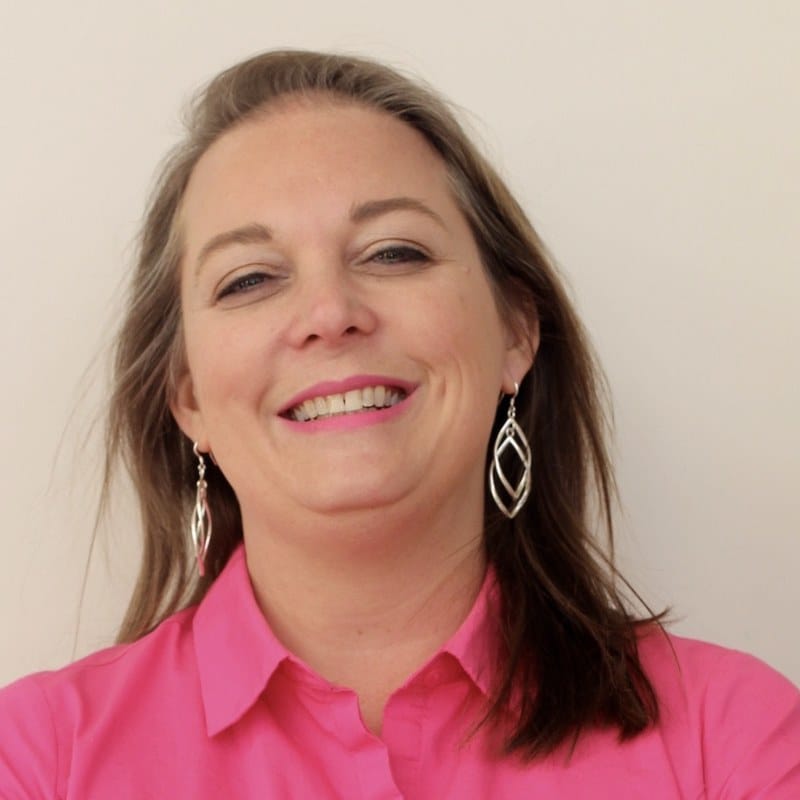
Suzanne D. Burns
Developmental editor and book coach to more than 200 business leaders, author of more than 87 books, and more than 20 years in ministry. I help pastors and clean authors get their books finished and published well.
Get The Sowers' DispatchGet a free sample editFree resourcesTake the free book quizPastors: is your message a book?Real people. Experienced hands. Your book.© 2026 Hundredfold Books. Resources · Author Services · Voice to Volume · About · Contact · Terms · Privacy