Vanity Press, Hybrid Publisher or Self-Publishing?
By Suzanne D. Burns
With self-publishing, you publish in your own account, keep every right and every royalty, and hire help only for the jobs you choose. A hybrid publisher shares the cost and the royalties and publishes under its own name. A vanity press charges you to publish, often keeps part of your royalties or rights, and makes most of its money from authors rather than from selling books. Before you sign anything, find out who owns the account, the files and the rights.
Why this question matters so much
Many first-time authors, especially Christian authors with a message they care about, are told that publishing is complicated and that a package will take care of it. Some packages are fair. Some cost thousands of dollars and leave the author with a book they can't change, a price they can't set and royalties that arrive slowly, if at all. The difference is rarely in the brochure. It's in the contract.
Self-publishing
You create your own accounts (Amazon KDP, and IngramSpark if you want wider print distribution). The book is published under your name or your own imprint. You set the price, you see every sale, and royalties are paid to you directly.
You can do every step yourself or hire editors, designers and formatters for the parts you'd rather not do. You pay for services, not for permission to publish.
Hybrid publishing
A hybrid publisher usually asks the author to pay part or all of the production cost, then publishes the book under the publisher's imprint and shares royalties at a higher rate than a traditional publisher would. A good hybrid publisher is selective, sells books through real distribution and is open about its numbers. Read the contract carefully: who owns the files, how long the publisher holds the rights, and how you can leave.
Vanity presses
A vanity press accepts nearly any manuscript, charges the author to publish it, and earns its money from the author's payments. Common signs: pressure to decide quickly, expensive add-ons (press releases, book fair displays, "marketing packages"), and contracts that keep rights or files for years.
Red flags to check before you sign
- The book goes up in their account, not yours. You can't see sales or change anything without asking.
- They keep a share of your royalties after you've already paid them to publish.
- They hold your rights or files for a long term, or charge you to get them back.
- Pressure. "This price ends Friday" is a sales tactic, not a publishing schedule.
- Vague answers to "How many copies do your average authors sell?"
Questions to ask any company
- Whose account will the book be published in?
- Who owns the edited manuscript, the cover files and the formatted files?
- What percentage of each sale do I receive, and how often am I paid?
- Can I change the price, the description or the cover later without you?
- How do I leave, and what does it cost?
How we do it
At Hundredfold, every client book is published in the author's own account, under the author's name, with every right and every royalty theirs. We do the editing, formatting and setup, then sit with you on Zoom while you upload, so you know exactly where everything lives. We never publish client books under our name. You can read more in Who Owns Your Book? and Christian Publishing Packages: What You Actually Get.
Questions authors ask
Is a vanity press the same as self-publishing?
No. With self-publishing you publish in your own account and keep all your royalties. A vanity press charges you to publish and often keeps rights or royalties.
Are hybrid publishers legitimate?
Some are. Look for selectivity, real distribution, clear royalty statements and a contract that lets you leave with your files.
What should I never sign?
A contract that keeps your rights or files for years, or takes royalties after you've paid for publishing, without a clear and fair reason.
Can I get my book back from a publishing company?
Often yes, but it depends on the contract. Read the termination clause before you sign.
Read next
- Who Owns Your Book? Rights, Royalties and ISBNs
- Christian Publishing Packages: What You Actually Get
- How Much Does It Cost to Publish a Christian Book?
One thing to try this week
If you have a publishing offer in hand, write the five questions above on one page and ask the company to answer each in writing.
If you'd like a second pair of eyes on a publishing offer before you sign, write to me through my contact page. I'll tell you honestly what I see.
Cheering you on,
Suzanne
Get The Sowers' Dispatch
One short, practical letter every Tuesday for clean and Christian authors, pastors and ministry leaders: the week's post, one thing to try and the publishing news worth knowing. Unsubscribe any time.
Send me The Sowers' Dispatch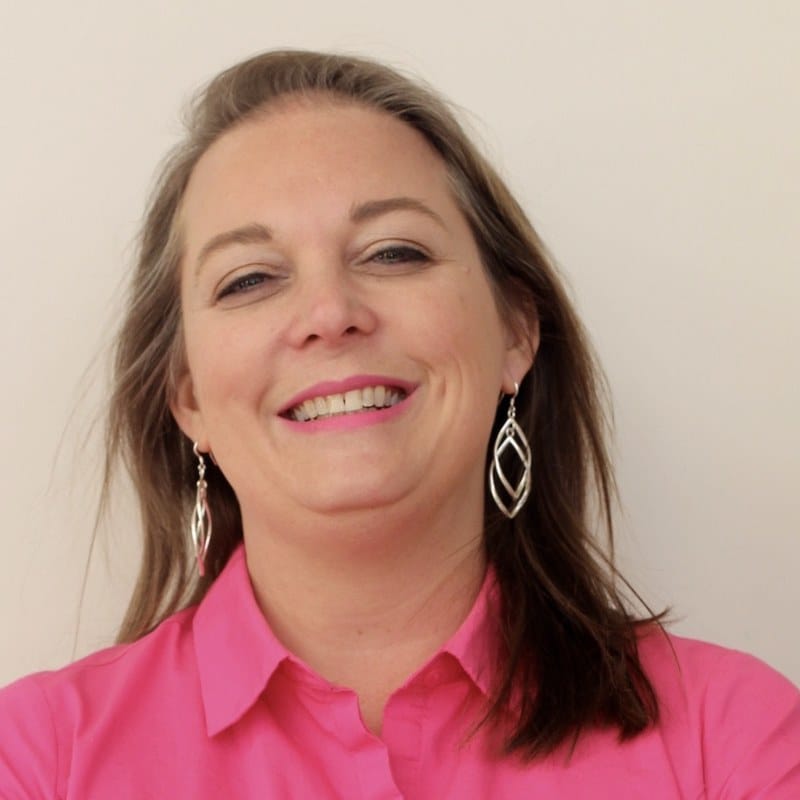
Suzanne D. Burns
Developmental editor and book coach to more than 200 business leaders, author of more than 87 books, and more than 20 years in ministry. I help pastors and clean authors get their books finished and published well.
Get The Sowers' DispatchGet a free sample editFree resourcesTake the free book quizPastors: is your message a book?Real people. Experienced hands. Your book.© 2026 Hundredfold Books. Resources · Author Services · Voice to Volume · About · Contact · Terms · Privacy