What Is a Fast Draft? (Skeleton Draft, Zero Draft and Other Names)
By Suzanne D. Burns
A fast draft is a quick first pass at a story, written to find the shape and the high points, not to produce polished prose. Writers call it different things: zero draft, discovery draft, vomit draft, and sometimes skeleton draft. What they share is speed and permission to be messy. The point is to get the story out of your head so you have something real to shape.
What the terms usually mean
- Outline: a plan of the story before drafting. It can be one page or fifty.
- Skeleton: in my process, a short outline of the story's essential turning points. Some writers use "skeleton" for a bare-bones draft instead.
- Fast draft: a quick first pass that writes the high points of the story without stopping to edit.
- Zero draft / discovery draft / vomit draft: a messy exploratory draft, often written before the writer even knows the full story.
- First draft / full draft: the complete telling of the story, beginning to end, ready to revise.
There's no official dictionary. When a writing group or teacher uses a term, ask what they mean by it.
Why fast drafting helps
- It beats perfectionism. You can't polish a sentence you haven't written.
- It reveals the story. Many writers don't know what a book is really about until they've drafted it once.
- It protects momentum. Stopping to fix chapter two is how books die in chapter three.
- It makes the full draft easier. You're writing toward something you've already seen.
How to write a fast draft
- Start from your skeleton. Know the main turning points, even loosely.
- Set a short deadline. A few weeks, not a few months.
- Write the high points. Big scenes in full, connecting scenes as notes if you like.
- Don't edit. Leave notes in brackets: [fix later], [research this], [better name].
- Keep going when it's bad. It's supposed to be rough.
- Stop when the story's shape is clear, even if parts are only notes.
What comes next
Read it through once, without fixing. Note what the story turned out to be about, what surprised you and what's missing. Then write the full draft with the fast draft beside you. Skeleton, Fast Draft, Full Draft: How I Write a Novel walks through that step.
Does this work for nonfiction?
Yes, with an outline first. Fast draft each chapter from its outline notes, then go back and shape. Nonfiction readers need a clear path, so outline before you draft. See How to Outline a Nonfiction Book.
Help finishing
Finish Your Draft ($37) keeps you moving with a twelve-week plan, a weekly tracker and a short lesson by email each week. When the draft is done, our free sample edit shows what an editor would do with your first 1,000 words.
Questions writers ask
What is a fast draft?
A quick first pass at a story that captures its high points without stopping to polish.
What's the difference between a zero draft and a first draft?
A zero draft is a messy exploratory pass; a first draft is a complete telling of the story, ready to revise.
What is a skeleton draft?
Usually a bare-bones draft with just the main scenes. In my process, the skeleton is the outline, and the quick first pass is the fast draft.
How fast should a fast draft be?
Fast enough that you can't stop to edit. Many writers aim for a few weeks.
Read next
- Skeleton, Fast Draft, Full Draft: How I Write a Novel
- Plotter or Pantser? The Pros and Cons of Each
- Where to Begin Writing a Novel
Free worksheet: The Story Skeleton puts your story's high points, your genre's beats and a fast draft plan on two printable pages.
One thing to try this week
Set a timer for 25 minutes and write the next high point of your story without deleting a single word.
If perfectionism keeps stopping your draft, write to me through my contact page. You're not the only one.
Cheering you on,
Suzanne
Get The Sowers' Dispatch
One short, practical letter every Tuesday for clean and Christian authors, pastors and ministry leaders: the week's post, one thing to try and the publishing news worth knowing. Unsubscribe any time.
Send me The Sowers' Dispatch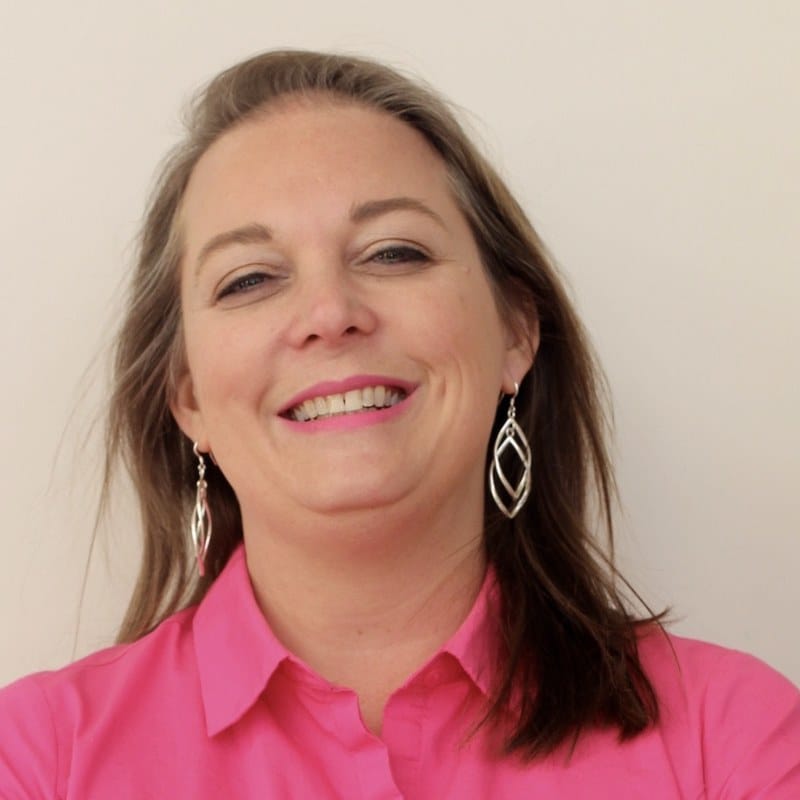
Suzanne D. Burns
Developmental editor and book coach to more than 200 business leaders, author of more than 87 books, and more than 20 years in ministry. I help pastors and clean authors get their books finished and published well.
Get The Sowers' DispatchGet a free sample editFree resourcesTake the free book quizPastors: is your message a book?Real people. Experienced hands. Your book.© 2026 Hundredfold Books. Resources · Author Services · Voice to Volume · About · Contact · Terms · Privacy