What Does One Novel Really Earn?
By Suzanne D. Burns
This is the first post in a short series about money. Not the dream numbers from someone's sales page, and not the gloomy ones either. The honest middle.
I've published more than 87 books, fiction and nonfiction, all on my own accounts. My fiction is written under several pen names across sweet romance, clean historical and clean fantasy. I watch the numbers every month. So let's talk about what one novel really earns.
The honest answer for one book
Most single novels, published on their own with no series behind them and no reader list, earn less than their authors hoped.
I'm not going to hand you an average dollar figure. One book's first year depends on its genre, its cover, its price, its timing and a dozen other things, and any single number would mislead more writers than it helped. What I can tell you is the shape most books follow: the first few weeks are usually the strongest, and then the line drifts down unless something gives it a lift, like the next book in the series, a promotion, or a note to readers who were waiting for it.
That isn't failure. It's how one book behaves on its own. The question is what changes the picture.
How you get paid on Amazon
Two streams make up most of a novelist's ebook income on Amazon.
Sales. When someone buys your ebook, you earn a royalty. KDP's 70% royalty option applies to ebooks priced from $2.99 to $12.99 on Amazon.com (the top of that range rose from $9.99 in July 2026). A delivery cost based on file size comes out of the 70% option. Outside that price range, the royalty is 35%.
Page reads. If your ebook is enrolled in KDP Select, it's included in Kindle+, the subscription Amazon called Kindle Unlimited until October 2026. Subscribers read your book as part of their membership, and you're paid from a shared monthly fund according to your share of all pages read. Pages are counted in Kindle Edition Normalized Pages (KENP), you're paid the first time a subscriber reads a given page, and the rate per page changes every month.
KDP Select runs in 90-day terms that renew automatically unless you opt out, and it comes with an exclusivity right for Amazon, so the ebook can't be sold in other ebook stores while it's enrolled.
For many clean fiction readers, the subscription is simply how they read. That's one reason I write my own fiction with Kindle+ readers in mind.
Why one book rarely pays back
Here's the hard part. A single novel has to earn back everything that went into it: editing, the cover, formatting, and any advertising.
Using the typical 2026 editing rates I shared in How Much Does It Really Cost to Publish a Christian Book?, a line edit alone on an 80,000-word novel runs about $3,200 to $6,400. A custom cover is commonly several hundred dollars more. Add formatting and a little advertising, and one book has a lot to earn back before it's in profit.
If that book stands alone, every reader you win reads one book and moves on. You paid to find that reader, and they had nowhere else to go.
What a series changes
Now imagine the same reader finishes your book, loves it, and the next one is waiting.
That's read-through: the share of readers who go on from one book to the next. When you write a series, every reader you win isn't worth one book. They may be worth three, five or ten. The money you spent finding them gets paid back by every book they go on to read.
Read-through is never perfect. Some readers stop after one book, and that's normal. But every reader who does go on pays back a little more of what it cost to find them.
Page reads make this even stronger. A subscriber who has already paid for the membership can start book two without a second thought. The next book is one tap away.
This is why most of my own catalogue came in the last twelve months, many of them novellas, and why I write my fiction in series. I didn't build a catalogue by perfecting one novel. I built it by finishing the next one.
What this means if you're about to publish
- Think in series if your genre allows it. Plan book two before book one goes up.
- Make book one the best it can be. It's the door to everything else. Editing and the cover matter most here.
- Put the next book in the back. Every finished reader should find a link to the next book on the last page.
- Give readers a way to hear from you. A reader list means you don't have to find the same person twice. (More on that later in this series, in "Why Readers Don't Find a Book on Their Own.")
- Be patient, and keep finishing. A catalogue grows. The early books often earn more once later books exist.
The point isn't to discourage you
If you're writing a novel, keep writing it. Stories that leave readers better than they found them are worth telling. I just want you to go in with honest expectations, so a quiet first month doesn't make you quit.
Your first novel won't earn like the twentieth book of someone who has been doing this for years. It doesn't have to. Compare it to your next book, not to theirs.
Your next step
Not sure where your book stands, or what it needs next? My free quiz will show you, and point you to the right help.
If your book is ready and you want a series launched properly from the start, my Complete Launch package builds your author website, reader emails, a free reader gift in your voice and six months of care, all on your own accounts.
And if your first novel is out and quieter than you hoped, please keep going. Write to me and tell me about it. I'd love to cheer you on toward the next one.
Rooting for you,
Suzanne
Get The Sowers' Dispatch
One short, practical letter every Tuesday for clean and Christian authors, pastors and ministry leaders: the week's post, one thing to try and the publishing news worth knowing. Unsubscribe any time.
Send me The Sowers' Dispatch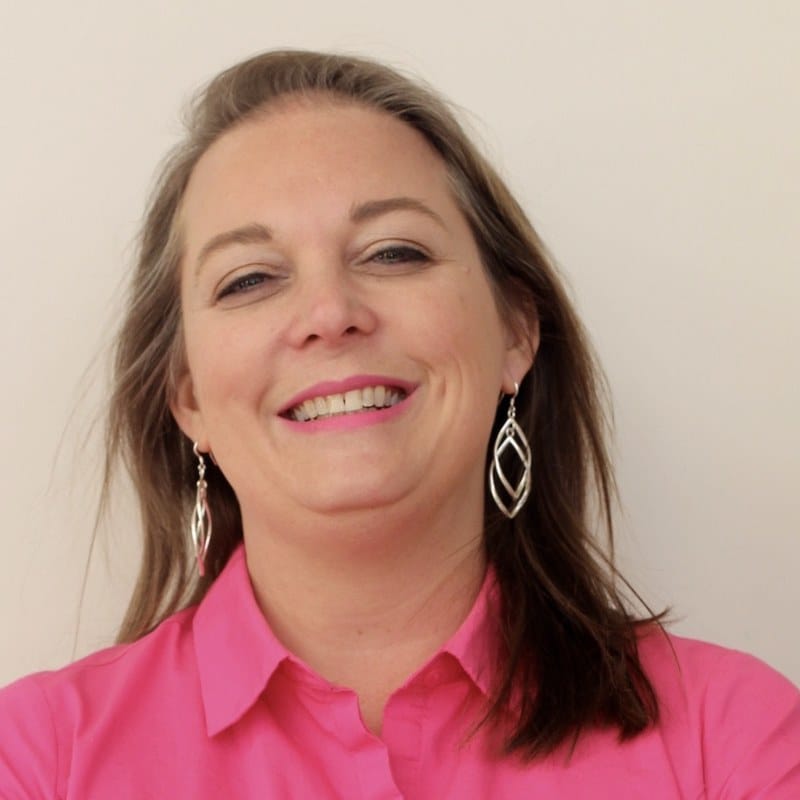
Suzanne D. Burns
Developmental editor and book coach to more than 200 business leaders, author of more than 87 books, and more than 20 years in ministry. I help pastors and clean authors get their books finished and published well.
Get The Sowers' DispatchGet a free sample editFree resourcesTake the free book quizPastors: is your message a book?Real people. Experienced hands. Your book.© 2026 Hundredfold Books. Resources · Author Services · Voice to Volume · About · Contact · Terms · Privacy