Who's the Author When AI Helps?
By Suzanne D. Burns
If you spend any time in writers' groups right now, you've seen the argument. Someone admits they used AI somewhere in their process, and the replies come fast. "Then you didn't write it." "That's not a real book." "You're not an author, you're a prompter."
Maybe you've stayed quiet in those threads. Maybe you've used an AI tool for an outline or a stubborn chapter and felt a little guilty about it. Or maybe you haven't touched one, because you're afraid of what people would say.
I want to talk with you honestly, because I've thought about this question from both sides. I use AI tools in different parts of my process. It's how I write as fast as I do. And I don't believe it makes me any less the author of my books.
Here's why.
Authorship was never about whose hands typed it
Before Hundredfold, I worked as a ghostwriter, helping write nonfiction books for other leaders. I sat with them, listened, asked questions, shaped chapters and wrote a great many of the sentences. Those books are not mine. I would never put my name on them, and they aren't counted among my own.
Why not? Because the message was never mine. The ideas, the convictions, the stories and the hard-won experience all belonged to the leaders whose names are on the covers. I helped them get it onto the page. They were the authors.
That's how authorship has always worked. A research assistant digs up the facts, and the book is still the scholar's. An editor untangles a muddled chapter, and the novel is still the novelist's. A writing partner shapes a speaker's talks into chapters, and it's still the speaker's message. Even Paul's letter to the Romans was written down by a man named Tertius (Romans 16:22), and no one doubts whose letter it is. (I wrote more about that in Is It Honest for a Pastor to Use a Writing Partner?)
Authorship follows whose message and material it is, not whose fingers were on the keys. AI is a new kind of helper. The principle hasn't changed.
The fear is understandable. The assumption isn't true.
I understand where the worry comes from. Many writers have spent years learning their craft, and now they're watching a tool appear that seems to skip all of it. That's unsettling.
In my experience, many of the loudest voices in this debate belong to writers who haven't published a book yet. I don't say that to dismiss them. When you're still fighting for every page, it can feel like someone else is getting away with something. That fear deserves gentleness, not mockery.
But the assumption under most of the criticism, that every AI-assisted book is junk and the "author" only clicked a button, simply isn't true. It lumps together very different kinds of work.
Let's be honest about the low-effort version
There is a kind of AI book that deserves the criticism. Someone types a prompt, uploads whatever comes back, and moves on to the next one. No real idea behind it. No shaping. Nobody read it all the way through. Readers can tell, and they're right to be unhappy when they've paid for it.
I won't defend that. It isn't authorship, and it isn't kind to readers.
But a careless use of a tool doesn't make the tool the problem. People published careless books long before AI, on typewriters and word processors too.
What the author still does
When AI helps with one of my books, here's the work that's still mine, and that would still be yours:
- The idea. What the book is about, who it's for, and why it's worth their time.
- The shaping. Which story to tell, in what order, with what at stake. What each chapter needs to do, and what it needs to cut.
- The judgment. Knowing when a line rings false, when a character wouldn't say that, when a paragraph sounds like everyone else's. Throwing out what doesn't belong, even when it's well written.
- The voice. Making it sound like you, page after page, and not like a machine's idea of a writer.
- The reading. I read every book before it goes out. Every page. If I wouldn't stand behind a sentence, it doesn't stay.
- The care for the reader. Asking, all the way through, whether this will actually help, delight or encourage the person who opens it.
That's the work of an author. A tool can speed up parts of it. It can't do it for you.
And when you publish on Amazon, answer the AI disclosure question truthfully. Being honest about how a book was made is part of caring for readers.
Speed isn't the enemy
A year ago I had about twenty-five books out, and more than half of them were low-content books. Today I've published more than 87, most of them in the last twelve months, many of them novellas. AI tools are a big part of how that happened.
I'm not telling you this to impress you. I'm telling you because I believe done beats perfect. Some of the writers most afraid of AI are the same ones who have been polishing one manuscript for years. There will never be a day your book feels finished. If a tool helps you reach the end and get your book into readers' hands, that isn't cheating. That's finishing.
And finishing is how you get better. My recent books are far stronger than my early ones, and the only road from one to the other was writing the books in between. Your first book won't read like the work of someone who has been writing for twenty years, with AI or without it. Hold yourself to your next step, not to someone else's.
If you're still unsure
You don't have to use AI to be a real writer. Plenty of wonderful authors don't, and that's a fine choice. But you don't have to be ashamed if you do. Ask the questions that have always mattered:
- Whose message is this?
- Did I shape it?
- Did I read every word?
- Would I stand behind it?
If the answer is yes, you're the author.
Your next step
However your draft came together, a good edit should make it sound more like you, not less. Send me the first 1,000 words of your manuscript and I'll edit them for free, so you can see the difference before you decide anything.
Not sure where your book stands? The free book quiz will show you your next step.
If this question has been weighing on you, I hope this brought some peace. You're welcome to write to me with whatever you're still wondering about. I read every message myself.
With you,
Suzanne
Get The Sowers' Dispatch
One short, practical letter every Tuesday for clean and Christian authors, pastors and ministry leaders: the week's post, one thing to try and the publishing news worth knowing. Unsubscribe any time.
Send me The Sowers' Dispatch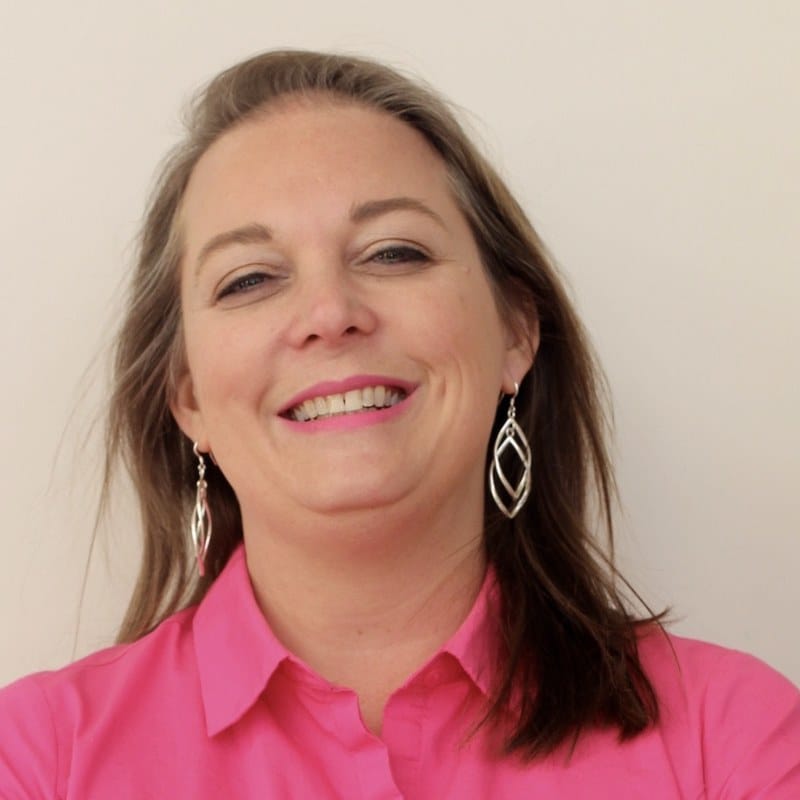
Suzanne D. Burns
Developmental editor and book coach to more than 200 business leaders, author of more than 87 books, and more than 20 years in ministry. I help pastors and clean authors get their books finished and published well.
Get The Sowers' DispatchGet a free sample editFree resourcesTake the free book quizPastors: is your message a book?Real people. Experienced hands. Your book.© 2026 Hundredfold Books. Resources · Author Services · Voice to Volume · About · Contact · Terms · Privacy