The Best Social Media for Authors, by Type of Book
By Suzanne D. Burns
Choose the platform where your readers already spend time, and start with one. For clean romance, cozy mystery and historical fiction with older readers, that's usually Facebook groups and Pinterest. For young adult and fast-paced romance, TikTok and Instagram. For Christian nonfiction, Bible studies and teaching books, Facebook groups, YouTube and, for leadership and professional topics, LinkedIn. Your email list comes before all of them.
Start with your reader, not the platform
Ask where your reader goes when she's looking for her next book. A grandmother who reads three cozy mysteries a week is in Facebook reader groups. A sixteen-year-old fantasy reader is watching book videos. A pastor looking for small-group material is searching YouTube and Google. Go where they already are.
Platform by platform
Facebook. Best for clean romance, cozy mystery, historical and Christian fiction, and books for readers over 40. Reader groups still work well. A Facebook author page reaches very few people without paid ads, so treat the page as your storefront and spend your time in groups (as a reader and member first, not a seller).
Pinterest. Best for historical fiction, romance, cozy mystery, devotionals, Bible studies, how-to and anything with a strong visual mood. Pinterest works like a search engine: a good pin can bring visitors for years. It's slow to start and steady once it builds. It's one of the most overlooked tools for clean and Christian authors.
Instagram. Best for visual books: romance, young adult, poetry, devotionals with beautiful design, illustrated nonfiction. Reels can reach new readers, but getting people to click a link is hard. Use it to build connection, and send people to your reader gift.
TikTok (BookTok). Best for romance, romantasy, young adult and fast-paced genre fiction with a strong hook. It's the most powerful place for a book to be discovered by strangers, when it fits. It suits slow-burn literary fiction and most nonfiction poorly. It also carries some uncertainty about its future in some countries, so never let it be your only connection to readers.
YouTube. Best for nonfiction teachers: Bible study authors, pastors, devotional writers, anyone who teaches. Videos build slowly but keep being found for years. Short clips from a talk or sermon can carry a message a long way.
LinkedIn. Best for nonfiction in leadership, business, ministry leadership and professional growth. It currently gives ordinary posts more reach than most platforms. It's a poor fit for fiction.
Threads and Bluesky. Text-based conversation. Fine for authors who enjoy writing short posts and connecting with other writers, but they rarely sell many books on their own.
Goodreads. Not for active promotion. Claim your author profile, keep your books listed correctly and leave it at that.
Quick picks by book type
- Sweet or clean romance: Facebook groups, Pinterest, Instagram
- Cozy mystery: Facebook groups, Pinterest
- Historical fiction and Regency: Pinterest, Facebook groups
- Young adult and romantasy: TikTok, Instagram
- Clean fantasy: TikTok or Instagram, plus Pinterest for the world's mood
- Christian fiction: Facebook groups, Pinterest
- Devotionals and Bible studies: Pinterest, Facebook groups, YouTube
- Christian nonfiction and teaching: YouTube, Facebook, LinkedIn for leadership topics
- Memoir and testimony: Facebook, YouTube
How much to post
Pick a pace you can keep for a year. Three to five posts a week on one platform is plenty. For Pinterest, a few fresh pins a week. Batch them once a month and schedule them, so posting doesn't eat your writing time. How to Use AI to Market Your Book Consistently shows how.
Every platform needs somewhere to send people
Followers aren't readers until they're on your list. Every profile should link to your reader gift on your own website. That's the step that turns a scroll into a relationship. Do Authors Need a Website? explains why the link should go to a page you own.
When you'd rather hand it off
Our Full Care plan ($99 a month) keeps two social accounts posting for you (Facebook, Instagram or Pinterest): about eight posts or fifteen pins per account each month, drawn from your newsletter and your books. We schedule them and flag comments; you answer your readers yourself, so the connection stays yours. It includes everything in Site Care and Newsletter Care too, works with the website and email service you already have or one we build for you, and you can cancel any time. See the Care plans.
Questions authors ask
Which social media is best for authors?
The one your readers use. For most clean and Christian fiction readers, that's Facebook groups and Pinterest. For younger readers, TikTok and Instagram.
Do authors need social media at all?
No. Your email list matters more. One platform helps people find you; you can skip the rest.
Is a Facebook author page worth it?
As a storefront, yes. For reaching readers without ads, no. Spend your time in reader groups.
Is Pinterest good for authors?
Yes, especially for historical, romance, cozy, devotional and how-to books. Pins keep bringing visitors long after you post them.
Is BookTok worth it for Christian authors?
For young adult, romance and fast-paced fantasy, it can be. Keep your list as your main connection.
Read next
- How to Market a Book: Where to Start
- How to Use AI to Market Your Book Consistently
- How to Market a Pen Name
One thing to try this week
Write one sentence describing your reader ("She's 62, reads cozy mysteries every night, and..."). Then pick the one platform where she spends time.
See the packages and Care plans
Not sure which platform fits your book? Tell me the genre and who reads it, through my contact page, and I'll tell you where I'd start.
Cheering you on,
Suzanne
Get The Sowers' Dispatch
One short, practical letter every Tuesday for clean and Christian authors, pastors and ministry leaders: the week's post, one thing to try and the publishing news worth knowing. Unsubscribe any time.
Send me The Sowers' Dispatch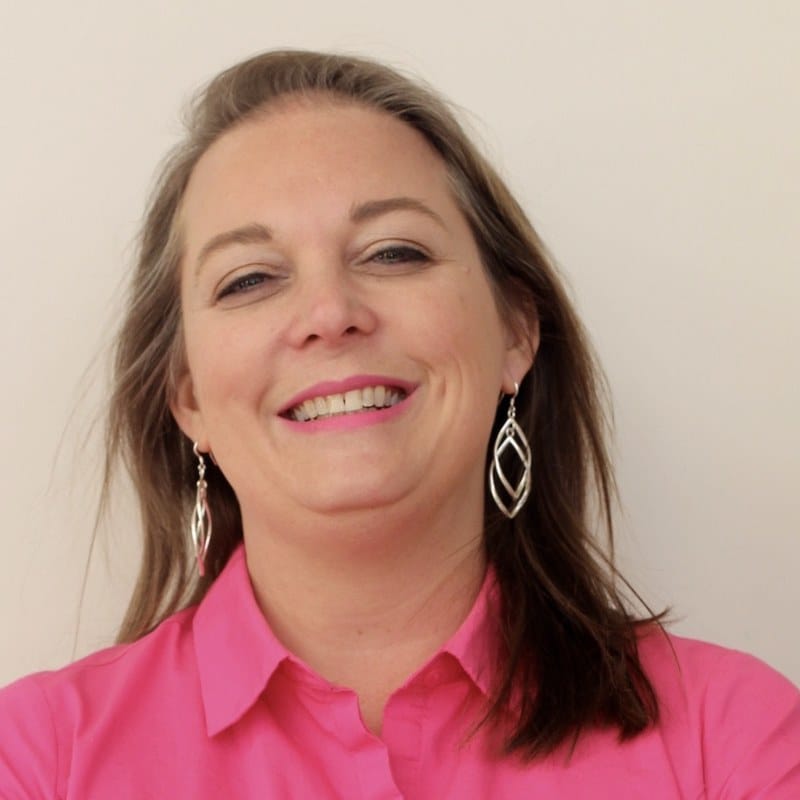
Suzanne D. Burns
Developmental editor and book coach to more than 200 business leaders, author of more than 87 books, and more than 20 years in ministry. I help pastors and clean authors get their books finished and published well.
Get The Sowers' DispatchGet a free sample editFree resourcesTake the free book quizPastors: is your message a book?Real people. Experienced hands. Your book.© 2026 Hundredfold Books. Resources · Author Services · Voice to Volume · About · Contact · Terms · Privacy