How to Market a Pen Name Without Inventing a Fake Life
By Suzanne D. Burns
How do you market a pen name? The same way you market any author: with a simple website, a free story that gives readers a taste, a newsletter, and books that point to each other. What's different is the person. A pen name doesn't have a real life to share, so the temptation is to invent one. Please don't. You can market a pen name warmly and well without making anything up.
I run several pen names, and this is how I do it.
How to market a pen name: a role, not a person
The healthiest way I've found to think about a pen name is as a role you play, the way an actor plays a part. The actor doesn't pretend the character is real. Everyone knows there's a person underneath, and that's fine.
So the pen name can have a voice, a look and a personality on the page that fit the books. What it can't have is a made-up life.
Never invent:
- Degrees, awards or credentials
- A spouse, children, pets or a hometown
- A backstory meant to make readers believe something untrue
- Reviews, endorsements or praise from people who don't exist
Readers forgive a pen name easily. They don't forgive being lied to. And for those of us who write as believers, honesty isn't just good marketing. It's who we are.
What you can share (and it's plenty)
A pen name with no fake life still has a great deal to talk about. Share what's true:
- Why you love the genre. What drew you to sweet Regency romance, or to clean fantasy, or to small-town mysteries?
- The research behind a setting. The history of a Scottish castle, the rules of a Regency ballroom, the real town that inspired the fictional one.
- The books that shaped you. Readers love knowing what you read.
- What readers can expect. Clean, hopeful, closed-door, faith woven in or kept light. Say it plainly so readers know they're in the right place.
- What you're writing now. A peek at the next cover, a character name, a scene you're stuck on.
That's months of newsletters right there, without a single invented detail.
Keep the voice consistent
The one thing a pen name must do well is sound like itself. Your website, your newsletter, your book descriptions and the notes at the back of each book should all feel like the same author.
Before you write anything for a pen name, jot down three or four words for its voice. Warm and witty. Gentle and old-fashioned. Brisk and adventurous. Then read every piece against those words before it goes out. Readers come to feel they know the books, and consistency is what earns that trust.
The reader system every pen name needs
Here's the part most authors skip, and it's the part that matters most. A pen name has no friends, no church family and no coworkers to buy the first copies. It starts with zero readers. So it needs a simple system that turns one reader into a returning reader. I use the same four pieces for every pen name:
1. A simple website. One page can be enough to start: the books, a short welcome in the pen name's voice, and a way to join the reader list. It's where every link points.
2. A free story. A short read (a novella, a short story, a bonus scene) that gives new readers a taste of exactly what your books deliver, and a reason to sign up.
3. A newsletter. A welcome series that delivers the free story, then a steady letter readers look forward to. Once a month is plenty. This is the one place a pen name truly owns its readers.
4. Back matter. Every book ends by pointing to the next book in the series and to the free story. A reader who just finished your book is the most likely person in the world to want another one.
Build these four before the first launch if you can. A book released to a small waiting list starts very differently from a book released to silence. I explain why in Why Readers Don't Find a Book on Their Own.
What about photos and author bios?
This is where many pen-name authors get stuck. Readers like to see a face, and author pages ask for a photo and a bio.
For photos, you have honest options: a real photo of you (if your pen name is open), a simple logo or monogram, a picture of your books, or an image that fits the genre, like a teacup for a Regency author or a mountain trail for an outdoors romance. What you should never do is use a stranger's face as if it were the author's.
For bios, write a short paragraph that's true and fits the books. You can say what the pen name writes, why those stories matter, what readers can expect, and a detail or two you're happy to share (that you love old maps, or drink too much tea while you write). You don't need a hometown or a family to sound warm. You need a real voice and a real reason for writing.
When genres start to overlap
If you run more than one pen name, sooner or later you'll wonder whether a reader of one would enjoy the other. If your pen names are open (public about being you), you can share them freely: a short note in a newsletter, a "you might also enjoy" page at the back of a book. Many clean romance readers also read clean mystery.
If a pen name is closed, keep its readers to itself. That's the cost of privacy, and it's why I suggest open pen names whenever privacy isn't the real reason. If you're still deciding, start with Should You Write Under a Pen Name?
Start small, and keep going
You don't need a polished website, a full social media presence and a 20-email welcome series on day one. You need the four pieces, in their simplest form, and the willingness to keep showing up.
Your first newsletter won't be your best. Send it anyway. The readers who signed up want to hear from you, and every letter teaches you how to write the next one. You get better by doing, not by waiting until you feel ready.
If you'd rather have it built for you
Setting up a website, a sign-up page that delivers a free story automatically, and a welcome series takes a few weekends for most authors. If you'd rather spend those weekends writing, that's exactly what our author website packages are for. Everything is built on your own accounts, in your pen name, with published prices:
- You Write, We Build: you supply the words and the free story; we build the site, the automatic gift delivery and up to three welcome emails.
- Done for You: we write the page copy, book descriptions, welcome series and first newsletter, in your pen name's voice.
- Complete Launch: everything in Done for You, plus a new free novella for your series written in your voice from your notes, two social accounts set up, and six months of care.
See the author website packages
Running a pen name and wondering where to start? Write to me. I'd love to hear about it.
Cheering you on,
Suzanne
Get The Sowers' Dispatch
One short, practical letter every Tuesday for clean and Christian authors, pastors and ministry leaders: the week's post, one thing to try and the publishing news worth knowing. Unsubscribe any time.
Send me The Sowers' Dispatch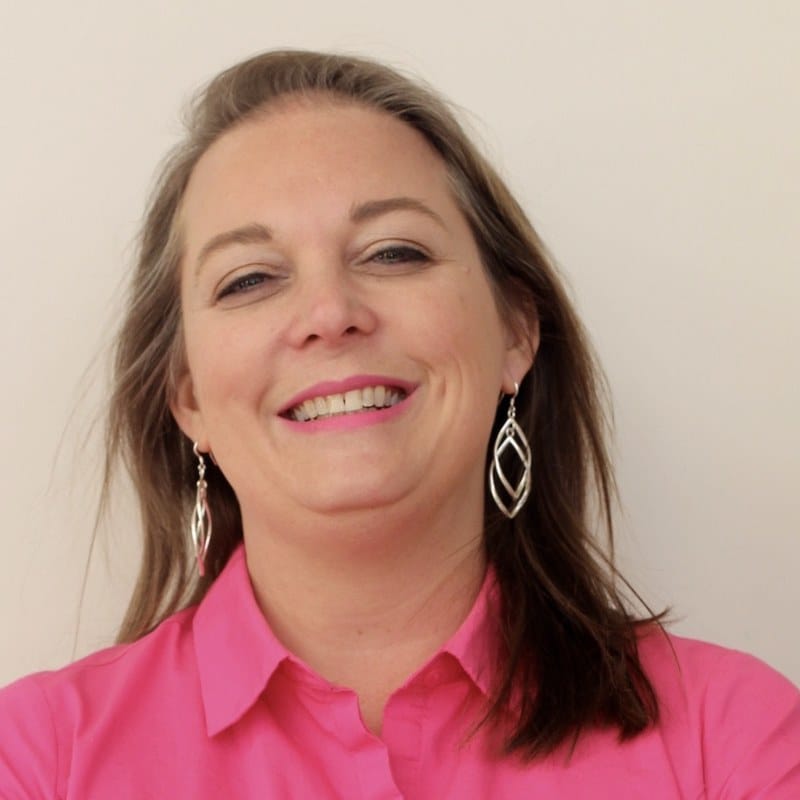
Suzanne D. Burns
Developmental editor and book coach to more than 200 business leaders, author of more than 87 books, and more than 20 years in ministry. I help pastors and clean authors get their books finished and published well.
Get The Sowers' DispatchGet a free sample editFree resourcesTake the free book quizPastors: is your message a book?Real people. Experienced hands. Your book.© 2026 Hundredfold Books. Resources · Author Services · Voice to Volume · About · Contact · Terms · Privacy