Nonfiction Book Formats: Which One Fits Your Message?
By Suzanne D. Burns
Choose the format that matches what your reader needs to do with your message. If she needs to learn and apply something, write a teaching book. If she needs hope from your experience, write a testimony or memoir. If she needs a daily habit, write a devotional. If a group will study it together, write a Bible study or add a leader's guide. If she needs to practice, write a workbook.
The same message can fit more than one format, and that's a gift: one book can become a study, a workbook and a course later. But each book needs one main shape.
The teaching book (how-to, prescriptive)
What it does: walks a reader from a problem to a solution.
Structure: introduction with the problem and promise; chapters as steps or principles; practical application at the end of each chapter.
Typical length: 30,000 to 50,000 words.
Best for: leaders, coaches, professionals and pastors teaching a clear process.
The message book (from sermons or talks)
What it does: carries one big idea further than a sermon series can.
Structure: one big idea, each sermon or talk becoming a chapter, shaped for readers instead of listeners, often with group questions.
Typical length: 25,000 to 40,000 words.
Best for: pastors and speakers who have already preached or taught the message. See How to Turn Your Sermon Series Into a Book.
The testimony or memoir
What it does: offers hope through a true story.
Structure: follows the story's arc: life before, the turning point, the change, life now, often with reflections that help the reader apply it.
Typical length: short testimonies 15,000 to 30,000 words; full memoirs 50,000 words and up.
Best for: anyone whose story could help someone in the same place. Start with our testimony outline.
The devotional
What it does: builds a daily habit of time with God.
Structure: a set number of short entries (30, 40, 52 or 365), each with Scripture, a short reflection and a prayer or prompt.
Typical length: entries of 250 to 500 words.
Best for: writers with a gift for short, warm encouragement.
The Bible study
What it does: helps individuals or groups study Scripture together.
Structure: weekly lessons, usually six to eight weeks, each split into days with Scripture, teaching and questions; often a leader's guide.
Best for: teachers and small-group leaders. See How to Write a Bible Study Your Small Group Will Actually Finish.
The workbook or guide
What it does: helps the reader practice, not just read.
Structure: short teaching sections followed by exercises, worksheets and space to write.
Typical length: often shorter in words, longer in pages.
Best for: coaches, counselors and teachers whose readers need to do the work.
Hybrids
Many good books combine formats: a teaching book with a study guide at the back, a testimony with reflection questions, a devotional built from a memoir. Choose a main shape first, then add the extra piece.
How to choose
Ask three questions. What does my reader need to do with this? Will she read it alone or with a group? How much time does she have each day? The answers usually point to one format.
Help choosing and shaping yours
A Book Blueprint ($195) settles the format and the chapter outline in one session. For pastors, Voice to Volume shapes a message book from your recorded teaching, and our Small-Group Leader Guide adds a six-to-eight-week study. See the services.
Questions writers ask
What are the main types of nonfiction books?
Teaching books, message books, testimonies and memoirs, devotionals, Bible studies and workbooks are the most common for Christian authors.
How long should a nonfiction book be?
Many run 25,000 to 50,000 words. Devotionals and workbooks are measured in entries or pages instead.
Can my book be more than one format?
Yes. Pick one main format, then add a study guide, reflection questions or a workbook section.
What's the easiest nonfiction book to write first?
Usually a short teaching book or testimony on something you already know or have lived.
Read next
Free worksheet: The Bridge Outline walks you from your reader and your promise to a chapter plan, on two printable pages.
One thing to try this week
Answer the three questions above for your book, and write the format at the top of your outline.
Not sure which shape your message wants to take? Tell me about it through my contact page.
Cheering you on,
Suzanne
Get The Sowers' Dispatch
One short, practical letter every Tuesday for clean and Christian authors, pastors and ministry leaders: the week's post, one thing to try and the publishing news worth knowing. Unsubscribe any time.
Send me The Sowers' Dispatch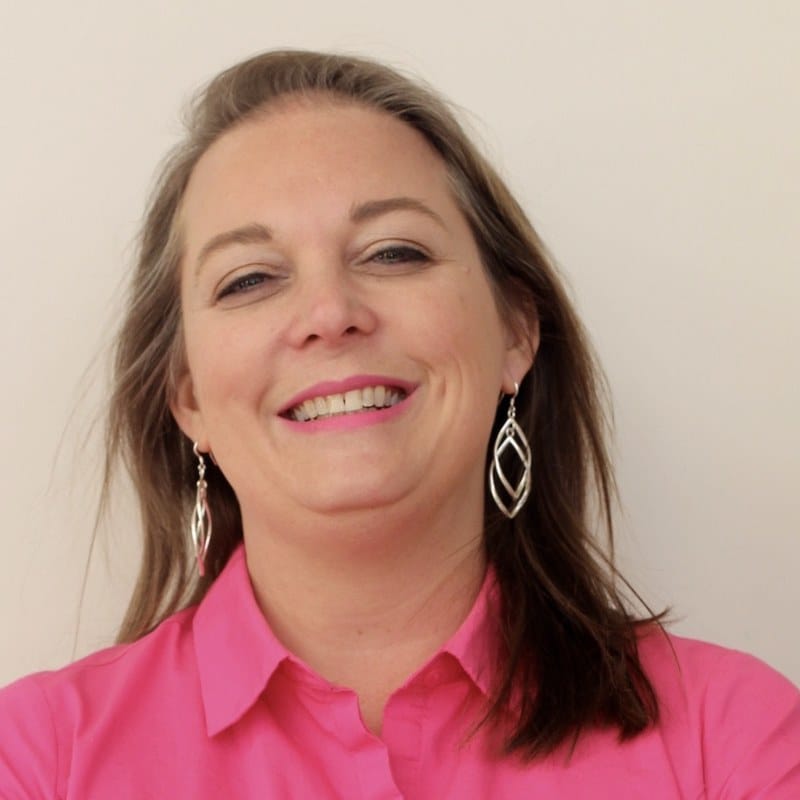
Suzanne D. Burns
Developmental editor and book coach to more than 200 business leaders, author of more than 87 books, and more than 20 years in ministry. I help pastors and clean authors get their books finished and published well.
Get The Sowers' DispatchGet a free sample editFree resourcesTake the free book quizPastors: is your message a book?Real people. Experienced hands. Your book.© 2026 Hundredfold Books. Resources · Author Services · Voice to Volume · About · Contact · Terms · Privacy