Where to Begin Writing a Nonfiction Book
By Suzanne D. Burns
Begin with three decisions before you write a single chapter: who the book is for, what it promises to do for them, and the order you'll walk them through it. That last decision is your outline. Once those three are clear, the writing gets much easier, because every chapter has a job.
Most people start a nonfiction book by opening a blank document and writing chapter one. A few weeks later they have twenty pages of good material and no idea where the book is going. The material isn't the problem. The missing piece is the map.
Step 1: Name the one reader
Picture one person. Not "Christians" or "small business owners." One woman, in one situation, who needs what you know. A mother whose son just went to rehab. A pastor who has preached the same series three times and keeps being asked for the notes. When you can see her, you'll know what to include and, just as important, what to leave out.
Step 2: Write the promise in one sentence
What will be different for that reader by the last page? "By the end of this book, you'll know how to..." If you can't finish that sentence, the book isn't ready to outline yet. If you can, you have your north star, and probably the seed of your subtitle.
Step 3: Choose the format
Nonfiction comes in recognizable shapes: a teaching book, a testimony or memoir, a devotional, a Bible study, a workbook, a message book built from sermons. Each has a structure readers expect. Choosing yours early saves months of rearranging later. Nonfiction Book Formats: Which One Fits Your Message? walks through each one.
Step 4: Build the outline
List the chapters in the order your reader needs them. Give each one a working title and two or three sentences about what it covers and what the reader will do with it. That's enough. How to Outline a Nonfiction Book shows the method step by step, with a sample.
Step 5: Gather what you already have
Most people writing nonfiction already have half a book scattered around: sermons, talks, blog posts, journals, class notes, emails where they explained the same thing to five different people. Pull it together and drop each piece under the chapter where it belongs. You'll see where you're rich and where the gaps are.
Step 6: Write the easiest chapter first
You don't have to start with chapter one. Start with the chapter you could teach in your sleep. Momentum matters more than order, and the introduction is usually easier to write last, once you know what the book actually says.
How long should it be?
Many strong nonfiction books run 25,000 to 50,000 words. A short, focused book of 20,000 to 30,000 words is plenty for a single clear message. Write what the promise needs, and stop.
If you'd like help with the map
Our Book Blueprint ($195) is a 60-minute session together, followed by a written chapter outline you can write from. It's the fastest way I know to go from "I have a message" to "I know what chapter three is." Pastors with a sermon series can start with our Sermon Series to Book guide, or see Voice to Volume if you'd like help shaping the book from your recorded teaching.
Questions writers ask
How do I start writing a nonfiction book?
Decide who it's for, what it promises them, and the order you'll teach it. Then outline the chapters before you draft.
Should I outline a nonfiction book?
Yes. Nonfiction readers expect a clear path from problem to result, and an outline is how you build it.
Which chapter should I write first?
The one you know best. Write the introduction last.
How many chapters should a nonfiction book have?
Commonly 8 to 15. Let the promise decide, not a number.
How long does it take to write a nonfiction book?
With an outline and a steady schedule, many people draft one in three to six months. See How Long Does It Really Take to Write and Publish a Book?
Read next
- How to Outline a Nonfiction Book
- Nonfiction Book Formats: Which One Fits Your Message?
- How to Turn Your Sermon Series Into a Book
- How to Write Your Testimony
Free worksheet: The Bridge Outline walks you from your reader and your promise to a chapter plan, on two printable pages.
One thing to try this week
Write your reader and your promise in two sentences: "This book is for... By the last page, she will..."
If you're stuck between ideas or can't decide where your book begins, write to me through my contact page. Tell me about your reader, and I'll tell you what I'd write first.
Cheering you on,
Suzanne
Get The Sowers' Dispatch
One short, practical letter every Tuesday for clean and Christian authors, pastors and ministry leaders: the week's post, one thing to try and the publishing news worth knowing. Unsubscribe any time.
Send me The Sowers' Dispatch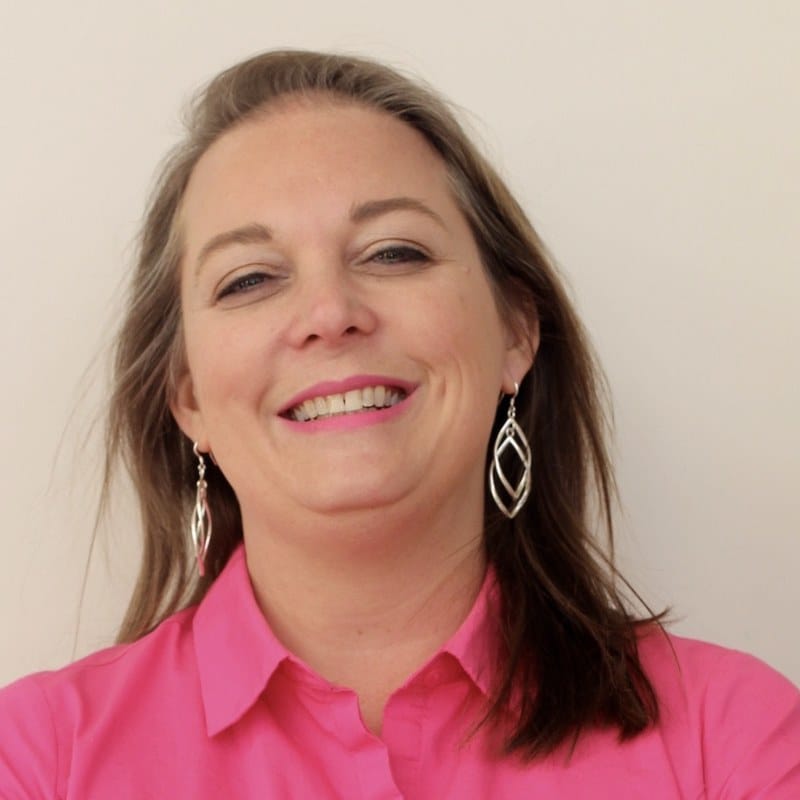
Suzanne D. Burns
Developmental editor and book coach to more than 200 business leaders, author of more than 87 books, and more than 20 years in ministry. I help pastors and clean authors get their books finished and published well.
Get The Sowers' DispatchGet a free sample editFree resourcesTake the free book quizPastors: is your message a book?Real people. Experienced hands. Your book.© 2026 Hundredfold Books. Resources · Author Services · Voice to Volume · About · Contact · Terms · Privacy