The Book Cover Mistakes I Made (So You Don't Have To)
By Suzanne D. Burns
What's the biggest book cover mistake a self-published author can make? Choosing a cover because you love it, instead of because it tells the right reader what kind of book it is. I know, because I made that mistake, along with a few others. A cover isn't a piece of art for your wall. It's a sign on the shelf that says "this one's for you" to a very particular reader in about a second.
Over more than 87 books, I've learned more about covers from my mistakes than from anything I did right. Here are the four that cost me most, and what I do now instead.
Mistake 1: Choosing a cover that spoke to me
My early covers were covers I loved. They meant something to me. They captured a feeling from the story, or a detail only I would understand.
The trouble is, the reader scrolling past hadn't read the book yet. They didn't know what that detail meant. All they saw was a cover that didn't look like the other books they love, so they kept scrolling.
What I do now: I ask one question first. Does this cover look like it belongs next to the bestsellers in its genre? Sweet Regency romance has a look. So does cozy mystery, clean fantasy, Christian nonfiction and devotionals. Your cover should be clearly yours, and clearly at home on that shelf.
Mistake 2: Not researching what sells in the genre
I briefed covers from my imagination instead of from the store. That meant I was guessing at what readers expected, and guessing wrong.
What I do now: before I brief anyone, I pull up the top 20 books in my exact category on Amazon and study them side by side. Colors, fonts, how big the title is, whether there's a person on the front, what the person is doing, what the background looks like. Patterns jump out quickly. Those patterns are the genre's language, and readers read it without thinking.
This is the single most useful thing you can do for your cover, and it costs nothing but an hour.
Mistake 3: Paying too much
At one point I paid far more for a cover than the book could ever earn back. It was beautiful, and it didn't sell the book any better than a well-matched, simpler cover would have.
Price isn't the measure of a good cover. Fit is. A cover that matches the genre and reads clearly at thumbnail size will do more for your book than an expensive one that doesn't. Before you spend, read What Does One Novel Really Earn? so your cover budget makes sense next to what a single book usually brings in.
Mistake 4: The cost of rebranding later
This is the one that hurts. When covers don't fit the genre, or don't match each other across a series, eventually you have to replace them. That means new covers for every book, new files uploaded everywhere, new graphics, and sometimes a new look for your whole website. It costs money, and worse, it costs time you could have spent writing the next book.
What I do now: I plan covers as a series from the start, even if only one book exists. Same fonts, same layout, same feel, so book three looks like it belongs with book one.
How do you choose the right book cover?
Here's my process now, step by step:
- Study your category. The top 20 books, side by side, before anything else.
- Write a short brief. Genre, mood, the main character or image, the colors and fonts your research showed, and the title and author name exactly as they should appear.
- Explore the concept first. These days I use AI tools to explore ideas quickly: possible layouts, poses, settings and moods. It helps me see options before anyone spends hours on a final design.
- Have an artist or designer make the real cover. The concept is a starting point. A skilled designer turns it into a polished cover matched to the genre, with the right fonts and a clean thumbnail.
- Check it small. Shrink it to the size of a phone thumbnail. Can you still read the title? Can you tell what kind of book it is?
A note on honesty: if any of your cover art is made with AI tools, Amazon's KDP asks about AI-generated images when you publish, and the honest answer is yes. That's not something to hide. Just know it before you get there. I explain that question and the rest of the upload in Before Your First KDP Upload: What to Have Ready.
What makes a cover work at thumbnail size?
Most readers will first see your cover about the size of a postage stamp, on a phone, next to a dozen others. A cover that works there tends to have:
- One clear focal point. A face, a figure, an object or a scene. Not five.
- A title you can read small. Big, simple letters, with strong contrast against the background.
- Genre-true colors and fonts. The same visual language your readers already recognize.
- Room to breathe. Clutter disappears into mush when it shrinks.
Test it before you approve it: shrink the image down, set it beside the top books in your category, and ask a friend which one is yours and what kind of book it is. If they can't tell, keep working.
Questions to ask any cover designer
- Have you designed covers in my genre before? May I see them?
- Who owns the final files and the rights to use them?
- Are the images licensed for commercial use on a book cover?
- Is the print wrap (spine and back cover) included, or extra?
- How many rounds of changes are included?
A good designer will answer plainly before you pay.
Your cover is a promise
I've come to think of a cover as a promise to a reader. It says: this is the kind of story you love, and this book will deliver it. When the promise is clear and honest, the right readers pick up the book, and they're glad they did.
Don't let cover worry keep your book from being published, either. Done beats perfect. A clean, genre-matched cover on a finished book will serve readers far better than a dream cover on a book still waiting in a drawer. And if you learn something later, you can update it. That's one of the gifts of self-publishing.
If you'd like help getting your book ready
My Ready to Publish service ($695) prepares your book for launch: ebook and paperback formatting, cover concept art matched to your genre that you can use as your cover or take to a designer, the paperback wrap built from whichever final front cover you choose, and a guided KDP Launch Setup in your own account.
Wondering what your book needs first? Take the free one-minute book quiz.
And if you've got a cover story of your own, good or bad, write to me. I'd love to hear it.
Cheering you on,
Suzanne
Get The Sowers' Dispatch
One short, practical letter every Tuesday for clean and Christian authors, pastors and ministry leaders: the week's post, one thing to try and the publishing news worth knowing. Unsubscribe any time.
Send me The Sowers' Dispatch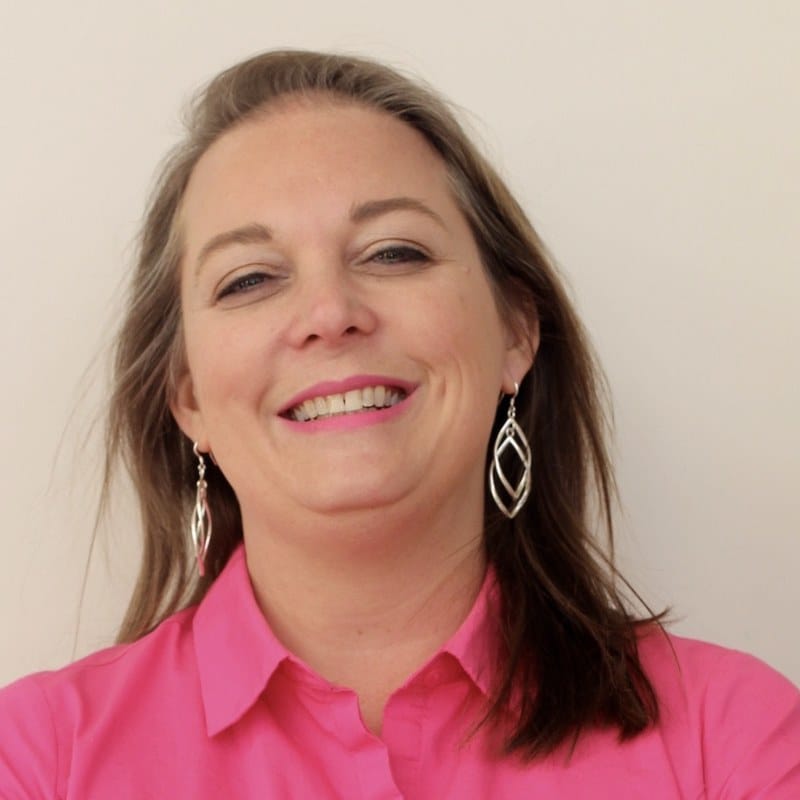
Suzanne D. Burns
Developmental editor and book coach to more than 200 business leaders, author of more than 87 books, and more than 20 years in ministry. I help pastors and clean authors get their books finished and published well.
Get The Sowers' DispatchGet a free sample editFree resourcesTake the free book quizPastors: is your message a book?Real people. Experienced hands. Your book.© 2026 Hundredfold Books. Resources · Author Services · Voice to Volume · About · Contact · Terms · Privacy